
MomsTribute
As schools clear out of the summer, families run for the sunshine and many a kid friendly venue. California's landscapes are dotted with a seemingly innocuous but potentially dangerous plant for our furry friends—foxtails. These barbed seeds, prevalent in California, pose a significant threat to pets, especially during the spring and summer months when they are most abundant.
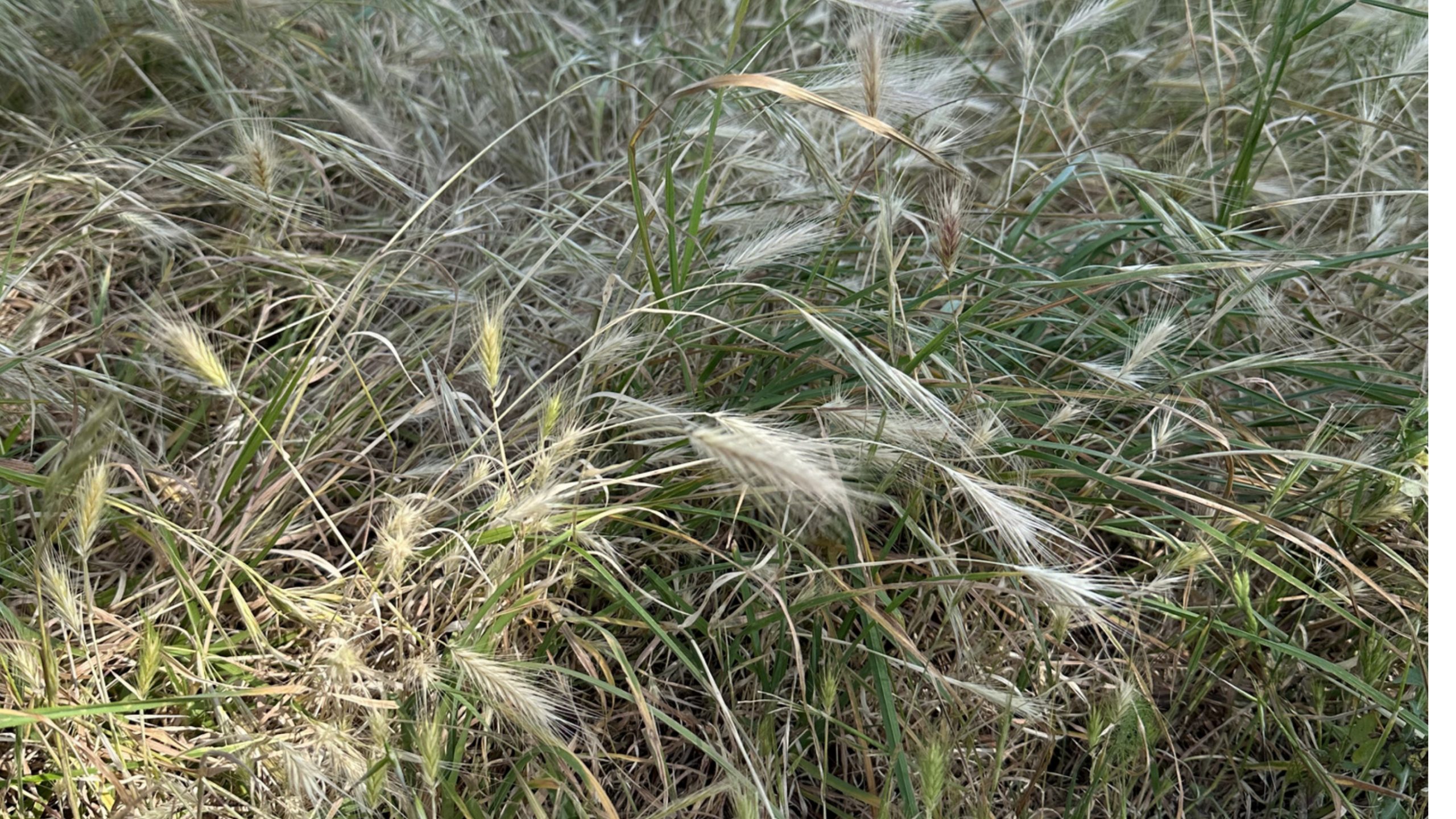
I’m not too sure how common these grass awns are in other states, but they are everywhere in California. The rolling yellow hills that were once green are completely covered in foxtails. Even in urban areas, foxtails pop out between the cracks of the cement and overtake unkept lawns.
Children playing outside will often find them stuck in the fabric of their socks and the netting of their shoes. Just as easily as they adhere to your children's clothing, they will attach and embed into to your pets' coats.
In the veterinary industry, the months between May and October are full of appointments removing foxtails from the orifices of animals. Vets are routinely pulling foxtails out of ears, noses, tonsils, and between the digits of the paws, among other (ahem!) locations.
Understanding the risks associated with foxtails and taking proactive measures can help keep your pets safe from harm.
What Are Foxtails?
Foxtails are the seed part of various grasses that have a unique structure, enabling them to burrow into the soil with ease. This characteristic, while beneficial for the plant's propagation, can be harmful to animals. The seeds are designed to move forward and not backward, which means once they attach to your pet, they can embed themselves deeper into the flesh, causing pain, infections, and sometimes severe complications.
Recognizing the Threat
Know what a foxtail is and what it looks like. While on walks, closely monitor the sites your dog (or cat) is sniffing. While it is very easy to zone out when walking your pet, by being alert, you can save your pet - and a ton of money – by preventing foxtail exposure.
Pets, particularly dogs who love romping through the grass, are at risk of foxtail injuries. Some common signs that your pet may have picked up a foxtail include:
Prevention Tips
Here are some practical tips to help protect your pets:
1. Avoid High-Risk Areas
Steer clear of areas with tall, dry grasses, especially during the late spring through fall. Choose your walking paths wisely, opting for well-maintained trails and parks. It is highly advised not to let your dog off leash. We all know that dogs love running through open fields, but with the amount of foxtails around, it is just not worth it. If you have a neighbor with an unkept lawn riddled with foxtails, a simple solution would be to switch up your route. Only take your dog in areas that are safe from foxtails. Walks are never fun when you’re having to yank on the leash every time your pet sniffs the plants.
2. Regular Grooming
Keep your pet's fur trimmed, especially around the paws, ears, and underbelly. This reduces the chances of foxtails clinging to them and makes it easier to spot and remove any that do. Some coats are almost like Velcro and the foxtails really stick to them.
3. Perform Daily Checks
After any outdoor activities, thoroughly check your pet for foxtails. Pay special attention to their paws, between the toes, and around the face and ears. Perform a thorough check every day after each outing.
4. Train Your Pet
Teach your pet to allow you to open their mouth and look inside, as foxtails can become lodged in the gums or under the tongue. Get them comfortable with you handling their paws and ears, as well.
What to Do If You Find a Foxtail
If you find a foxtail on your pet, remove it carefully with tweezers if it has not yet embedded itself. However, if the seed is not easily removable or you suspect it has burrowed into your pet's skin, seek veterinary assistance immediately. Do not attempt to remove foxtails from sensitive areas like the eyes, ears, or nose on your own, as this may push them deeper.
If your general practice veterinarian is not able to accommodate you on a same-day basis and recommends that you visit the emergency or urgent care, please follow their instructions. Do not wait. Be diligent and be quick. Foxtails are expensive. And keep in mind that not all foxtails can be easily removed. Foxtail removal can take multiple vet visits, and some even escalate to the level of a specialist who must use advanced diagnostic approaches to visualize these terrible plant pieces.
Here are some EH/Specialty practices:
Oakvet, Animal Specialty Hospital, in Oakland
Pets Referral, Emergency & Specialty Veterinary Care, in Berkeley
Bay Area Veterinary Specialists, VCA (Veterinary Centers of America) in San Leandro
Pacific Veterinary Hospital , 24/7 Emergency Services, in Lafayette
SAGE Veterinary Centers, 24/7 Emergency Services throughout CA
Conclusion
By all means, get outside with your children and your dog, but be keenly aware of foxtails as nuisance plants. Be proactive and take preventative steps to ensure your pet’s safety when spending time outdoors. Always consult your veterinarian if you have concerns about foxtails and your pet's health.
Laura D

A unique platform for all-things-mom. A shared, nurturing community for moms that empowers, brings convenience, and removes chaos from their everyday lives.